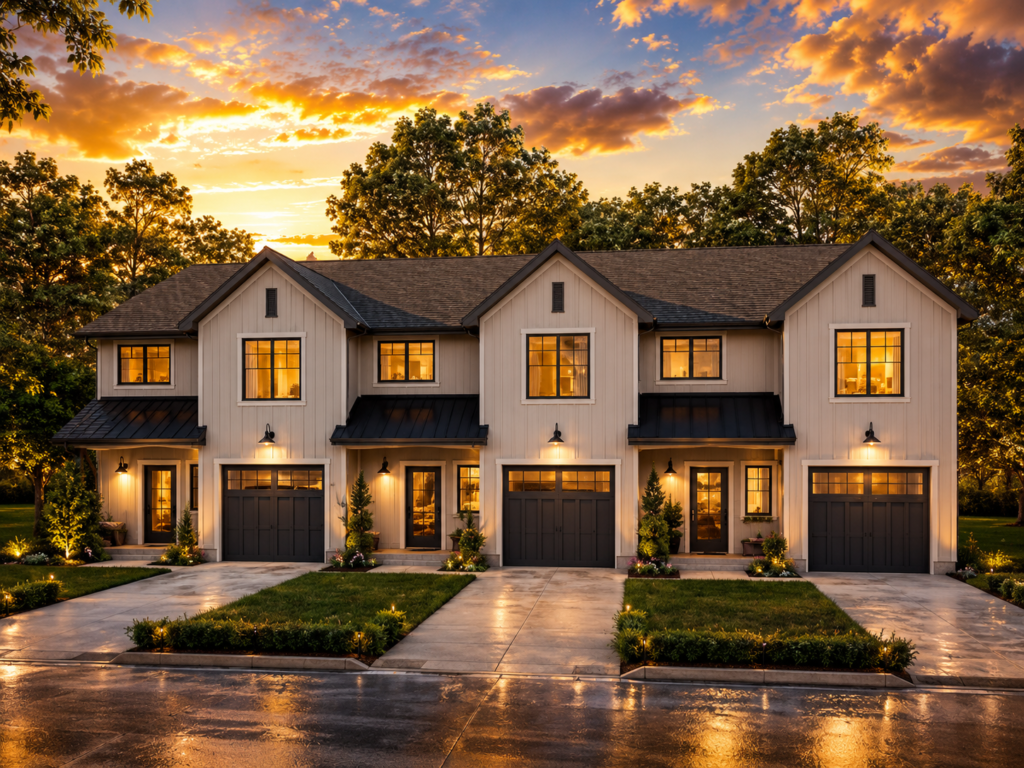
Population growth is reshaping housing demand in cities at a rapid pace, putting sustained pressure on existing residential supply. As more people move into urban areas and household sizes continue to evolve, traditional single-family housing is no longer enough to meet demand. This shift is accelerating interest in multi-unit housing as a more efficient and scalable solution for both residents and investors.
Population Growth Trends Reshaping Housing Demand in Modern Cities
Population growth has become one of the most powerful forces shaping housing markets across Canada and other rapidly expanding economies. Immigration, internal migration toward urban centers, and changing household structures are all contributing to sustained demand for housing in major cities. As more people settle in metropolitan regions, pressure on existing housing stock intensifies, especially in areas where land supply is limited and infrastructure is already established.
This growth is not evenly distributed. Cities with strong job markets, educational institutions, and healthcare systems tend to attract a disproportionate share of new residents. As a result, housing demand in these areas consistently outpaces supply, creating long-term structural imbalances that traditional housing models struggle to resolve.
Why Single-Family Housing Supply Can No Longer Meet Urban Demand
Single-family housing has historically dominated residential development, but it is increasingly unable to accommodate modern population pressures in dense urban environments. Limited land availability, strict zoning regulations, and rising construction costs have significantly reduced the feasibility of low-density expansion in central locations.
In many cities, the cost of land alone makes single-family development inefficient compared to higher-density alternatives. At the same time, urban planning policies are gradually shifting toward more sustainable land use, encouraging municipalities to rethink how housing density is distributed. This shift reflects a broader recognition that cities cannot continue expanding outward indefinitely without creating infrastructure strain and affordability issues.
Multi-Unit Housing as the Most Responsive Solution to Rising Population Pressure
Multi-unit housing has emerged as a practical response to the imbalance between population growth and housing supply. Duplexes, triplexes, townhomes, and apartment buildings allow more residents to live within the same land footprint, making them significantly more efficient in high-demand areas. This housing model also aligns closely with evolving renter preferences. Many households prioritize location, access to amenities, and affordability over large private living spaces. Multi-unit properties meet these expectations while also providing more consistent occupancy rates for property owners.
From a development perspective, multi-unit housing reduces risk by diversifying income across multiple tenants. This structure helps stabilize cash flow even when individual units become vacant, making it an increasingly attractive option in competitive rental markets. We recommend working with a trusted multi family home builder when exploring professionally designed multi-unit housing solutions, especially for investors looking to scale efficiently in high-demand urban markets.
Investment Opportunities Emerging from the Shift Toward Higher-Density Living
The growing demand for multi-unit housing has created a range of opportunities for investors, developers, and property owners. As urban density increases, properties that can support multiple rental units tend to generate stronger long-term returns compared to traditional single-family homes. Redevelopment opportunities are particularly significant in established neighborhoods where older properties can be converted into higher-density configurations. In addition, purpose-built rental developments are gaining traction as institutional and private investors recognize the stability of rental income driven by population growth. This shift also opens the door to long-term appreciation, especially in cities where housing supply remains constrained. As demand continues to rise, well-located multi-unit properties are positioned to benefit from both rental income growth and asset value appreciation over time.
Future Outlook: Urban Expansion, Policy Shifts, and the Rise of Dense Communities
Looking ahead, population growth is expected to remain a central driver of housing demand, particularly in urban centers. Governments are increasingly responding with policy changes that encourage higher-density development, including zoning reforms and incentives for multi-unit construction. Infrastructure expansion will also play a key role in shaping where and how cities grow. Transit-oriented development, for example, is likely to become more prominent as municipalities aim to reduce congestion and improve accessibility.
As these trends continue, multi-unit housing is expected to move from being an alternative option to a mainstream standard in urban development. The combination of demographic pressure, policy support, and investor interest points toward a future where dense, well-planned communities become the foundation of sustainable city growth.